Signs Your Car Needs Brake Repair Today, Not Next Week
Most drivers know their brakes need attention eventually. The problem is “eventually” has a way of turning into “I should have done this two weeks ago” right when you need to stop fast on a highway or in a school zone. Brakes do not fail all at once in most cases. They give you signals first. Learning to recognize those signals, and more importantly, taking them seriously when they show up, is what separates a routine brake repair visit from a genuinely dangerous situation on the road.
This article covers the signs that mean you need brake repair now, not at your next scheduled maintenance, and not when you get around to it. If your car is showing any of these, it is time to get it looked at.
Why Brakes Wear Down Faster Than People Expect
Before getting into the warning signs, it helps to understand why brakes wear out in the first place. Every time you press the brake pedal, friction material on your brake pads clamps against the rotor to slow the wheel. Over time, that friction material wears thin. When it wears down far enough, metal starts making contact with metal, and things deteriorate quickly from there.
Driving habits, road conditions, vehicle weight, and the quality of parts used in previous repairs all affect how fast your brakes wear. Drivers in hilly or mountainous areas tend to wear brakes faster. Stop-and-go city driving is harder on brakes than highway miles. Even towing a trailer or hauling heavy loads regularly can cut brake life significantly shorter than the manufacturer estimates.
In southeast Colorado, drivers deal with a mix of highway stretches, agricultural roads, and town traffic. That combination means brake wear patterns can be unpredictable, and keeping an eye on how your brakes feel and sound matters more than relying on mileage estimates alone.
The Sound Your Brakes Make Is Not Random
One of the clearest signs of a brake problem is sound. Brake systems are actually designed to make noise when something is wrong. That is not a coincidence.
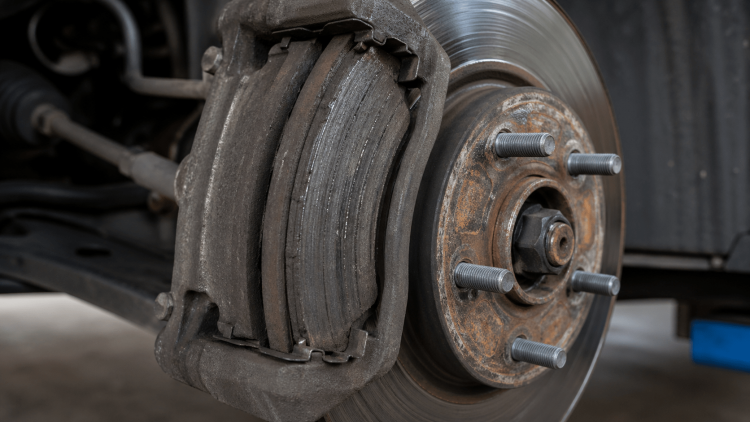
Squealing or squeaking is usually the first sound you will notice. Most brake pads have a small metal wear indicator built into them specifically for this purpose. When the pad wears down to a certain point, that indicator drags against the rotor and produces a high-pitched squeal. Think of it as an alarm your car is sending you. Some light squealing when brakes are cold or wet can be normal, but if you are hearing it consistently every time you brake, the pads are worn and need replacing.
Grinding is the sound nobody wants to hear. At this stage, the brake pad material is likely gone and metal is grinding directly against the rotor. This is not a “book an appointment for next Tuesday” situation. Grinding brakes can damage your rotors quickly, turning what would have been a straightforward pad replacement into a full brake job that costs significantly more. Worse, metal-on-metal contact reduces your stopping power in a real emergency.
Clicking or rattling when you press or release the brake pedal can indicate that a brake pad has come loose from its hardware. This is less common but equally serious, and it should not be ignored because a loose pad is unpredictable.
If your car is making any of these sounds, you need brake repair. The longer you wait, the more expensive and dangerous the situation gets.
Your Brakes Should Not Feel Like This
Sound is one signal. How your brakes feel under your foot is another.
A soft or spongy brake pedal is a serious warning sign. Your brake pedal should feel firm and responsive when you press it. If it sinks further toward the floor than usual, or if you have to press harder than normal to get the car to slow down, something is wrong. This often points to air in the brake lines or a problem with the master cylinder. Either way, it is a safety issue that needs immediate attention.
Pulsing or vibrating through the pedal when you brake typically means your rotors are warped. Rotors can warp from excessive heat or uneven wear. You might also feel this vibration through the steering wheel. Beyond being uncomfortable, warped rotors reduce braking consistency, which means your stopping distance is longer than it should be.
The car pulling to one side when you brake is another red flag. If your vehicle drifts left or right during braking, it usually means one brake is applying more force than the other. This can be caused by a stuck caliper, uneven pad wear, or a brake fluid issue. In emergency braking situations, a car that pulls to the side is far harder to control.
The pedal sinking to the floor is a worst-case scenario. If you press the brake and the pedal goes all the way to the floor before the car responds, you may be dealing with brake fluid loss or complete brake failure. Do not drive the vehicle. Have it towed for brake repair immediately.
Warning Lights Are Not Suggestions
Modern vehicles give you another line of communication through the dashboard.
The brake warning light (usually a red circle with an exclamation point, or the word BRAKE) can come on for several reasons. In some cases, it means your parking brake is still engaged. If the light stays on after you release the parking brake, it is likely detecting low brake fluid or a fault somewhere in the system.
The ABS warning light indicates a problem with your anti-lock braking system. Your brakes may still work in normal conditions, but your ABS is designed to prevent wheel lockup in sudden stops or slippery road conditions. Driving with a malfunctioning ABS is a significant safety concern, especially on wet or gravel roads.
Some drivers have a habit of dismissing warning lights, especially when the car seems to be driving fine. Do not make that mistake with brake-related lights. The brake system is one area of your vehicle where “wait and see” is a genuinely bad idea.
Brake Fluid: The Part Most Drivers Ignore
Brake fluid is the hydraulic medium that transfers the force of your foot on the pedal to the brake components at each wheel. Without clean, adequate brake fluid, your brake system cannot function correctly.
Low brake fluid is sometimes caused by a slow leak somewhere in the system, and sometimes it is simply a sign that your brake pads have worn down enough that the calipers need more fluid to compensate. Either way, it warrants a closer look.
Old or contaminated brake fluid is a problem that does not get enough attention. Brake fluid absorbs moisture over time, which lowers its boiling point. When you do a lot of braking, especially going downhill or in stop-and-go traffic, overheated brake fluid can vapor-lock and dramatically reduce stopping power. This is sometimes called brake fade, and it can happen suddenly.
Most manufacturers recommend flushing and replacing brake fluid every two years or so, but many drivers skip this step entirely. If you cannot remember the last time your brake fluid was changed, it is worth having it checked when you bring your vehicle in.
How Long You Have Been Ignoring It Matters
Here is something that applies to a lot of people: the signs were there, but the car was still stopping, so it did not seem urgent.
Brakes do not go from “fine” to “failed” overnight in most cases. There is a gradual window of warning before things get dangerous. But that window has a closing point, and you never know exactly when you will hit it. A sudden stop at a busy intersection, a child on a bicycle appearing around a corner, wet pavement on a highway, any of these situations will demand everything your brake system has to give.
Getting brake repair done at the first reliable sign of a problem is not being paranoid. It is being practical. Brake work done early is almost always cheaper than brake work done after you have damaged rotors, contaminated fluid, or worn calipers on top of the original problem.
What a Proper Brake Inspection Actually Covers
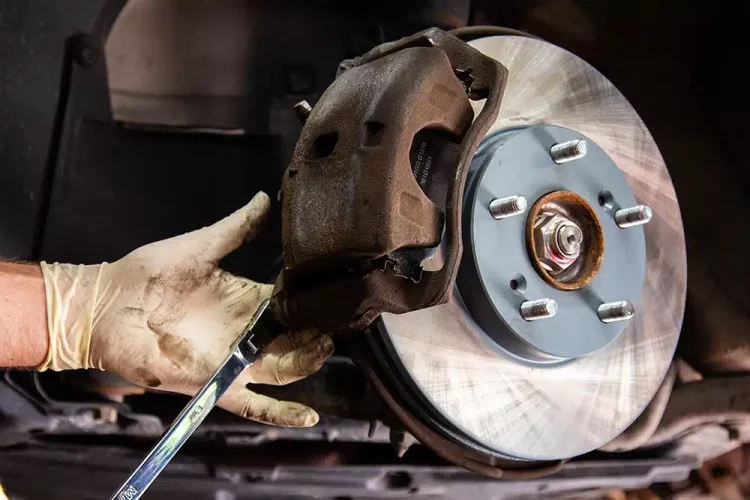
When you bring your car in for a brake concern, a thorough inspection should cover the brake pads and their remaining thickness, the condition and surface of the rotors, the brake calipers, the brake lines for leaks or corrosion, brake fluid level and condition, and the hardware holding everything together.
At Rocky Ford Discount Tire, a brake inspection is not a quick glance through the wheel spoke. It is a proper check of the entire system so that nothing gets missed and you leave with a clear picture of what your brakes need.
Some shops will quote you only what you came in for and leave other problems for you to discover on your own later. A complete inspection up front means you are making informed decisions, not being surprised a month down the road.
What Rocky Ford Drivers Should Know
Living and driving in this part of Colorado comes with specific conditions that affect brake wear. Long stretches of open highway followed by sharp deceleration into town traffic put a specific type of demand on brake systems. Agricultural roads with dust and debris can accelerate wear on brake hardware. Seasonal temperature swings affect brake fluid performance. These are not hypothetical concerns for drivers in and around Rocky Ford, Swink, La Junta, and the surrounding Arkansas Valley communities.
Knowing your local shop and having your brakes inspected by technicians who understand your driving environment makes a real difference. It is not just about replacing parts. It is about understanding what your vehicle is dealing with and making sure your brake system is up to the job.
If You Are Seeing These Signs, Do Not Wait
To bring it back to where this article started: brakes give you warnings. Squealing, grinding, a soft pedal, pulling to one side, a pulsing sensation, warning lights, or brake fluid that looks dark and low are all your car asking you to pay attention.
None of these signs get better on their own. Every mile you drive after these symptoms appear is a mile with reduced safety margin. The cost of waiting is almost always higher than the cost of acting on the first warning.
Explore our brake repair service for a full inspection and honest assessment of what your vehicle needs, or call us at 719-254-3391 to book a time that works for you. Our technicians are ready to look at your brakes and give you a straight answer, no upsell, no runaround.