5 Mistakes People Make When Jump Starting a Car Battery (And How to Avoid Them)
There’s nothing worse than turning your key in the ignition only to hear that dreaded clicking sound—or worse, complete silence. A dead battery can derail your entire day, leaving you stranded in a parking lot or your driveway. Knowing how to jump start a car battery is an essential skill every driver should have, but it’s not as simple as connecting two cables and hoping for the best.
In fact, making mistakes during the jump start process can lead to serious consequences, from damaged electrical systems to potential explosions. At Rocky Ford Discount Tire, our ASE-certified technicians have seen countless cases where well-intentioned drivers accidentally caused more harm than good when trying to jump start car battery connections. After over 50 years of serving drivers in Rocky Ford, Colorado, we’ve learned that education is the best prevention.
In this comprehensive guide, we’ll walk you through the five most common mistakes people make when jump starting a car battery, explain why these errors are dangerous, and show you the proper techniques to safely get back on the road.
Understanding Why Your Battery Died in the First Place
Before we dive into the mistakes, it’s important to understand what causes a battery to die. Car batteries typically last between three to five years, but several factors can drain them prematurely. Leaving your headlights or interior lights on overnight is one of the most common culprits. Extreme temperatures—particularly Colorado’s harsh winters—can significantly reduce a battery’s efficiency and ability to hold a charge.
Sometimes a dead battery indicates a deeper problem with your alternator or electrical system. If your battery repeatedly dies even after a successful jump start, it’s time to have a professional technician diagnose the underlying issue. This distinction is crucial because attempting to jump start a battery that’s damaged or has internal problems can be extremely dangerous.
Mistake #1: Connecting the Jumper Cables in the Wrong Order
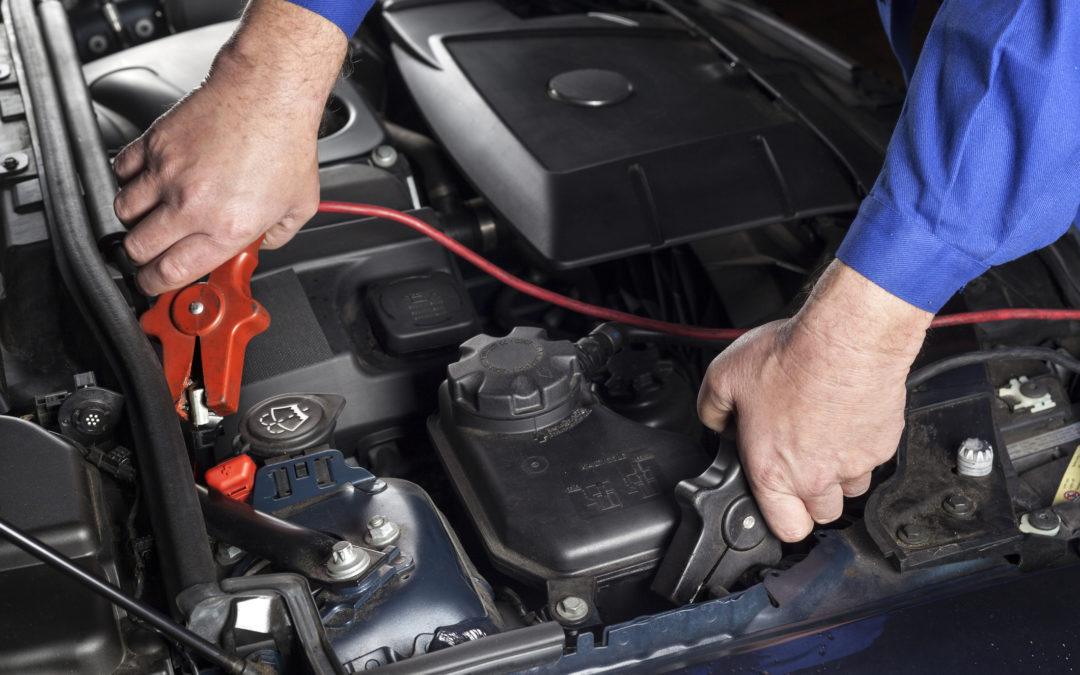
This is by far the most dangerous and common mistake people make when attempting to jump start a car battery. The order in which you connect jumper cables isn’t arbitrary—it’s designed specifically to prevent sparks near the battery and reduce the risk of an explosion.
Why This Mistake Is Dangerous
Car batteries release hydrogen gas, which is highly flammable. When you connect cables in the wrong order or reverse the polarity, you create sparks near the battery that can ignite this gas. The result can be a battery explosion that sprays sulfuric acid and shrapnel, causing severe burns, eye injuries, and permanent scarring. In fact, nearly three out of four battery-related injuries involve eye damage.
Connecting the cables incorrectly can also create a short circuit that damages both vehicles’ electrical systems. Modern cars have sophisticated computers and electronic components that can be fried by improper electrical surges. This mistake can lead to repair bills costing thousands of dollars, far exceeding the cost of a roadside assistance call.
The Correct Way to Connect Cables
Here’s the proper sequence for connecting jumper cables when you jump start car battery:
-
Red cable to the dead battery’s positive (+) terminal first – Always start with the positive connection on the vehicle with the dead battery.
-
Red cable to the working battery’s positive (+) terminal – Connect the other end of the red cable to the donor vehicle’s positive terminal.
-
Black cable to the working battery’s negative (-) terminal – Attach the black cable to the donor battery’s negative post.
-
Black cable to unpainted metal surface on the dead car – This is critical: Do NOT connect the final black cable to the dead battery’s negative terminal. Instead, attach it to a clean, unpainted metal surface on the engine block or frame, as far from the battery as possible. This grounds the circuit safely and ensures any sparks occur away from the battery.
When removing cables after the jump start, reverse this exact order: remove the ground connection first, then the negative from the donor battery, followed by both positive connections.
Pro Tip from Our Technicians
Before connecting any cables, inspect both batteries for visible damage, cracks, or leaks. If you notice a swollen battery case, leaking fluid, or a frozen battery (common in Colorado winters), do not attempt to jump start it. A frozen battery can explode when you try to charge it. Instead, call for professional assistance.
Mistake #2: Not Letting the Car Run Long Enough After Jump Starting
Many drivers make the critical error of turning off their vehicle too soon after a successful jump start. This is one of the most frustrating mistakes because it often results in being stranded a second time, sometimes in a less convenient location than where you started.
Why This Mistake Happens
After you successfully jump start car battery and hear the engine roar to life, there’s a natural inclination to disconnect the cables immediately and get on your way. However, at this point, your battery is still critically low on charge. It received just enough power from the donor battery to crank the starter motor, but it hasn’t had time to recharge.
The Consequences
If you turn off your engine after just a few minutes, your battery won’t have sufficient power to restart the vehicle later. You’ll find yourself in the same predicament, often without another vehicle nearby to help. This cycle can also damage your battery further, reducing its overall lifespan and capacity.
How Long Should You Actually Run the Car?
The minimum time you should run your vehicle after a jump start is 20 to 30 minutes of continuous driving. However, if your battery was severely discharged, 45 minutes or more may be necessary. Here’s what you need to know:
-
Idling isn’t enough: Simply letting your car sit in park with the engine running isn’t as effective as driving. Your alternator produces more electricity when the engine is running at higher RPMs during normal driving conditions.
-
Avoid short trips: Don’t make multiple short stops immediately after jump starting. The constant starting and stopping will drain the battery faster than the alternator can recharge it.
-
Highway driving is ideal: If possible, take your vehicle on the highway where it can run consistently at higher speeds. This gives the alternator optimal conditions to recharge the battery.
-
Monitor your electrical accessories: During this recharge period, minimize the use of electrical accessories like the radio, heated seats, air conditioning, or headlights (unless required for safety). These draw power that should be going toward recharging the battery.
After this initial recharge period, if your battery continues to hold a charge and start the vehicle normally, you likely just experienced a simple drain (like leaving lights on). However, if you need another jump start within a day or two, bring your vehicle to a trusted mechanic for a full electrical system inspection.
Mistake #3: Allowing the Vehicles to Touch During Jump Starting
This mistake might seem minor, but it can cause significant electrical problems and safety hazards. When positioning vehicles for a jump start, many people park them too close together, sometimes allowing bumpers or body panels to touch.
Why Physical Contact Between Vehicles Is Problematic
When two vehicles touch during the jump start process, it creates an unintended electrical path between them. This can cause:
-
Unpredictable current flow: Electricity will take any available path, including through the vehicles’ metal frames if they’re in contact. This can bypass the controlled circuit you’re trying to create with the jumper cables.
-
Risk of sparking: Contact points between vehicles can create sparks, especially if there’s any movement or vibration.
-
Potential damage to grounding systems: Modern vehicles rely on carefully designed grounding systems for their electrical components. Unintended contact can disrupt these systems.
-
Increased shock risk: If you’re standing between or touching both vehicles when they’re in contact, you could become part of the electrical circuit.
The Proper Vehicle Positioning
When setting up to jump start car battery, follow these positioning guidelines:
-
Park the vehicles close enough that your jumper cables can comfortably reach between batteries without stretching taut. Most jumper cables are 10 to 20 feet long, giving you plenty of working room.
-
Ensure vehicles don’t touch at any point—not bumpers, fenders, or any body panels. Leave at least a few inches of clearance.
-
Position vehicles nose-to-nose or side-by-side, depending on where the batteries are located. Check both engine compartments first to determine the best approach.
-
Engage parking brakes on both vehicles and put them in Park (automatic) or Neutral (manual transmission). This prevents any accidental movement that could cause contact.
-
Turn off both vehicles completely before connecting any cables. Remove keys from the ignition, and if either vehicle has a keyless ignition system, keep the key fob at least 10 feet away during the process.
Mistake #4: Attempting to Jump Start a Damaged or Frozen Battery
This mistake is particularly dangerous and common during Colorado’s winter months. Many drivers don’t realize that not all dead batteries should be jump started, and attempting to charge certain batteries can result in explosions or further damage.
When You Should NOT Jump Start a Battery
Never attempt to jump start a car battery if you observe any of these conditions:
Physical Damage:
-
Cracks in the battery case
-
Bulging or swollen battery housing
-
Visible leaks of battery acid
-
Corroded or damaged terminals
-
Loose or broken battery connections
Frozen Battery: In extremely cold temperatures, the electrolyte solution inside your battery can freeze. Signs include:
-
Ice visible in the battery cells
-
Bulging battery case
-
The battery feels extremely heavy or solid
-
Frost or ice formation on the battery exterior
Sulfation or Severe Corrosion: Excessive white, blue, or greenish powder around the terminals indicates severe corrosion that should be addressed before jump starting.
Why These Conditions Are Dangerous
A damaged battery case can leak sulfuric acid, which is highly corrosive and can cause severe chemical burns. When you attempt to charge or jump start a damaged battery, you risk:
-
Battery explosion: The charging process produces hydrogen gas. In a damaged battery, this gas can accumulate and ignite from even the smallest spark, causing the battery to explode violently.
-
Acid spray: An explosion or rupture will spray battery acid in all directions, potentially hitting your face, eyes, and skin.
-
Toxic fume inhalation: Damaged batteries release toxic fumes that can cause respiratory problems.
With frozen batteries, the danger is even more severe. When frozen electrolyte expands, it can crack the battery case internally. If you try to charge or jump start it, the rapid expansion of gases inside has nowhere to go, dramatically increasing explosion risk.
What to Do Instead
If you discover your battery is damaged or frozen:
-
Call for professional roadside assistance or have your vehicle towed to a repair shop.
-
If the battery is frozen, move your vehicle to a warm location (if possible) and let it thaw naturally for several hours before any attempt at charging. Never use heat sources to speed up thawing.
-
Replace damaged batteries immediately. A cracked or leaking battery is not worth the safety risk.
-
For severe terminal corrosion, clean it before attempting a jump start. Use a solution of baking soda and water (1 tablespoon of baking soda per cup of water) and an old toothbrush or wire brush. Always wear gloves and eye protection when cleaning battery terminals.
Mistake #5: Neglecting Safety Precautions and Personal Protective Equipment
The final common mistake is treating jump starting as a casual, risk-free task. While it can be done safely, there are real hazards involved, and taking proper safety precautions is essential.
Essential Safety Gear
Before you attempt to jump start car battery, gather these safety items:
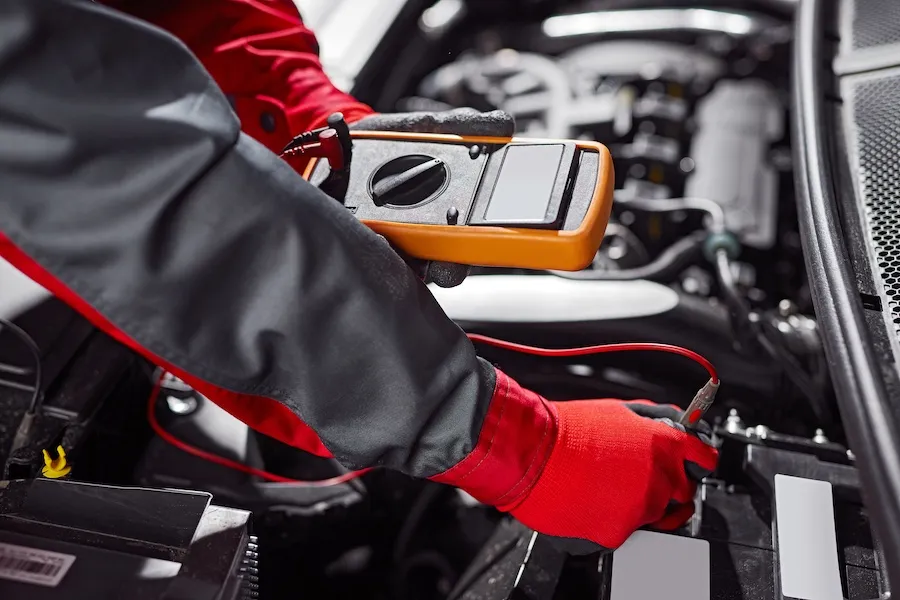
Eye Protection: Always wear safety goggles or glasses with side shields. Look for goggles with a Z-87 rating, which indicates they’re certified for automotive work. Battery explosions and acid splashes most commonly cause eye injuries, and the damage can be permanent.
Protective Gloves: Wear rubber or nitrile gloves to protect your hands from battery acid and to provide some electrical insulation. Avoid fabric or leather gloves, which can absorb battery acid.
Appropriate Clothing:
-
Remove all jewelry, especially rings, watches, and bracelets. Metal jewelry can conduct electricity and cause severe burns if it contacts battery terminals.
-
Avoid loose clothing, scarves, or ties that could get caught in engine components or accidentally brush against terminals.
-
Wear closed-toe shoes with rubber soles for electrical insulation and foot protection.
Critical Safety Steps Often Overlooked
Check Your Owner’s Manual First: Some modern vehicles have specific jump starting procedures or even prohibit jump starting altogether. Newer cars may have designated jump start lugs or posts separate from the battery terminals. Failing to follow manufacturer guidelines can void your warranty or damage sensitive electronic systems.
Inspect Your Jumper Cables: Before connecting anything, examine your cables for:
-
Frayed or exposed wires
-
Damaged insulation
-
Rusty or corroded clamps
-
Weak or broken clamp springs
Damaged cables are dangerous and ineffective. If your cables show any of these signs, replace them before attempting a jump start.
Weather Considerations:
-
Rain: Jump starting in the rain increases the risk of electrical shock since water is an excellent conductor of electricity. If you must jump start in wet conditions, try to keep the battery area as dry as possible, wear rubber gloves, and stand on a dry, non-conductive surface like a rubber mat.
-
Extreme cold: Besides the risk of frozen batteries, cold weather makes cables stiff and difficult to handle. Work slowly and carefully to ensure proper connections.
-
Extreme heat: Hot weather can increase the production of hydrogen gas from batteries, raising explosion risk. Be extra vigilant about preventing sparks.
Never Smoke or Create Flames Near Batteries: The hydrogen gas that batteries emit is highly flammable. Keep cigarettes, lighters, and any source of open flame or sparks far away from the work area.
Know When to Call a Professional: If you’re uncertain about any part of the process, if you notice anything unusual about either battery, or if you simply don’t feel comfortable, call a professional. At Rocky Ford Discount Tire, we’d much rather have you call us for help than risk injury or damage to your vehicle.
After the Jump Start
Once you’ve successfully jump started your vehicle and it’s running properly, don’t just assume everything is fine. Take these follow-up steps:
-
Schedule a battery test within 24 to 72 hours. We offer free battery testing at Rocky Ford Discount Tire to determine if your battery can still hold a charge or if it needs replacement.
-
Have your alternator checked. If your battery was healthy and died unexpectedly, your alternator might not be charging properly.
-
Inspect your electrical system. Parasitic drains from accessories or faulty components can slowly discharge your battery over time.
-
Consider battery age. If your battery is more than three years old, it might be time for a replacement even if it can hold a charge now.
Bonus Tips: Preventing Dead Batteries in the Future
Now that you know how to properly jump start car battery, here are some preventive measures to reduce the chances of finding yourself stranded with a dead battery:
Regular Maintenance:
-
Have your battery tested annually, especially before winter
-
Clean battery terminals every six months to prevent corrosion
-
Ensure battery connections are tight and secure
-
Check that your battery hold-down bracket is properly secured
Driving Habits:
-
If you only make short trips regularly, take your car for a longer drive (20+ minutes) at least once a week to fully recharge the battery
-
Avoid leaving accessories running with the engine off
-
Double-check that all lights are off when you leave your vehicle
Winter Preparation: Colorado winters are tough on batteries. Before cold weather hits:
-
Have your battery tested to ensure it has sufficient cold cranking amps
-
Keep your vehicle in a garage when possible
-
Consider a battery blanket or heater for extreme cold
-
Keep your fuel tank at least half full to reduce condensation
Modern Battery Technology: If you frequently deal with dead batteries, consider investing in:
-
A portable lithium-ion jump starter pack to keep in your vehicle
-
A battery tender or maintainer if your vehicle sits unused for long periods
-
A higher capacity or cold weather battery designed for your climate
When to Replace Rather Than Jump Start
Sometimes, jump starting is just a temporary fix for a battery that’s reached the end of its life. Here are signs it’s time for a replacement rather than another jump start:
-
Your battery is more than 4-5 years old
-
You’ve needed multiple jump starts in a short period
-
The battery won’t hold a charge even after driving for extended periods
-
You notice corrosion that returns quickly after cleaning
-
The battery case is swollen or bulging
-
Your vehicle’s electrical accessories are dimming or working intermittently
-
The “check battery” or “check charging system” light stays on
Conclusion: Safety First When You Jump Start Car Battery
Jump starting a dead battery doesn’t have to be dangerous or complicated, but it does require following proper procedures and taking appropriate safety precautions. By avoiding these five common mistakes—incorrect cable order, insufficient running time, vehicle contact, attempting to charge damaged batteries, and neglecting safety equipment—you can safely get your vehicle running again without causing injury or damage.
Remember, the few extra minutes spent doing it correctly can save you from expensive repairs, potential injuries, or being stranded a second time. And if you’re ever uncertain about the process or notice anything concerning about your battery, don’t hesitate to call a professional.
Need Help with Your Car Battery?
At Rocky Ford Discount Tire, our NAPA, TIA, ASE, and ASA certified technicians have been helping drivers in Rocky Ford, Colorado since 1972. Whether you need a battery replacement, electrical system diagnosis, or just a second opinion on your battery’s health, we’re here to help.
Contact us today to schedule a free battery inspection or call us at [PHONE NUMBER] for immediate assistance. We offer reliable, prompt service for all makes, models, and years of vehicles. Don’t wait until you’re stranded—let our experienced mechanics ensure your battery and charging system are in top condition. We also provide free local shuttle service in the Rocky Ford area for your convenience while we work on your vehicle.
Stop by our comfortable, family-friendly facility where you can enjoy complimentary Wi-Fi, coffee, and refreshments while we take care of your vehicle. With over 50 years of trusted service, Rocky Ford Discount Tire is your partner in automotive care.